 サイトマップ
 各課のご案内
 施設のご案内
 お問い合わせ
Hydroelectricity
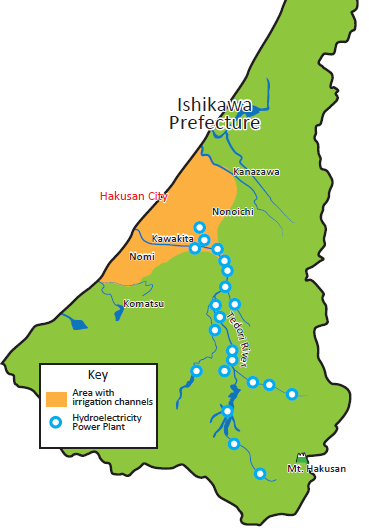
Hydroelectricity is a renewable energy source that uses the power of gravity to force water through turbines which generate electricity. The Tedori River Basin hosts more than 20 hydroelectric power plants, with the oldest having been built in 1908. Due to the steepness of the Tedori River, pipes/channels need only be channeled a few kilometers to create the height needed for water to turn the turbines, and power hydroelectric generators. The electricity generated from these plants helps to power Ishikawa and surrounding prefectures.
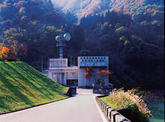
Maximum output: 250,000kw
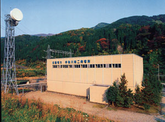
Maximum output: 87,000kw
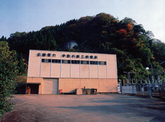
Maximum output: 30,000kw
Water from the Tedori River Basin
Water is collected in the Tedori River Basin using several dams, such as the Tedori River Dam. This water is used for hydroelectricity, and for drinking. In fact, water from the Tedori River Basin is piped as far away as Nanao in northern Ishikawa Prefecture, to provide a stable supply of drinking water. Water is also piped across most of the flats through irrigation channels, which provide farms with water for growing rice and vegetables. Beneath the ground there is also a large supply of groundwater, which is used by numerous industries such as sake breweries.