
 サイトマップ
 各課のご案内
 施設のご案内
 お問い合わせ
Flood Control
Finding a Peaceful Coexistence with the Tedori River
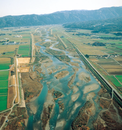
Mikawa, Matto, and Nonoichi City are built on top of the Tedori River Alluvial Fan. Alluvial fans form when steep rivers flatten out on plains, and rocks and sand being carried in the river and deposited by the river, especially in times of flooding. Over thousands of years the river's flow changes, and the fan of sediment widens. As a result, alluvial fans are areas full of existing or historic river channels, and areas close to the river can be prone to flooding.
In order to reap the benefits that the Tedori River provides, dealing with flooding became a necessary sacrifice. With years of cumulative wisdom and strength, people strived for a peaceful coexistence with the river, using the following technologies and lifestyles.
Embankments
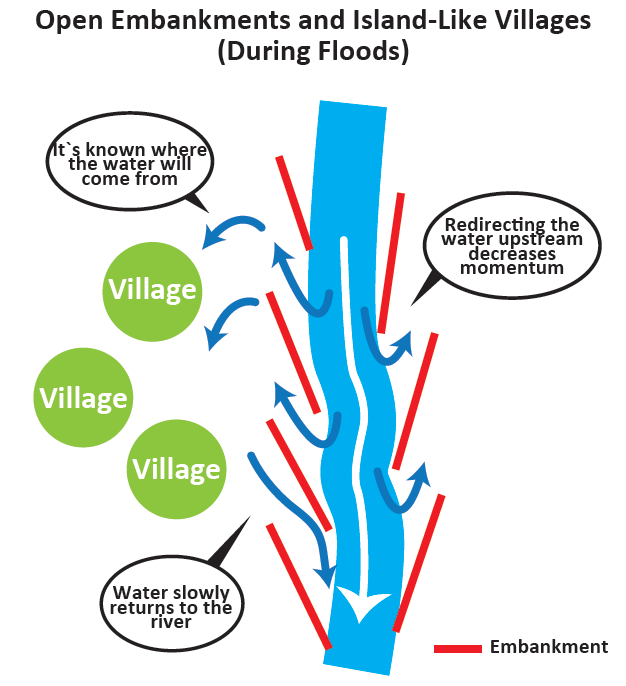
In order to reduce flood momentum and minimize damage to villages, many open embankments were built along the river, which work by redirecting flood waters upstream. While closed embankments provide complete security against flooding, an embankment collapse can prove deadly. Open embankments on the other hand, control where flooding will occur, so people can prepare accordingly.
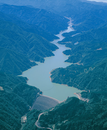
Tedori River Dam
The Tedori River Dam construction began in 1974, and was finished in 1980. It`s a rock-fill dam with a height of 153m, and one of its biggest purposes is to protect downstream against flooding.
Tower Excavators
In order to excavate large amounts of sediment, in 1951 these excavators were purchased. At the time only 11 excavators existed throughout the entire country, three of which were purchased for use in the Tedori River.


Island-like Villages
Upon the Tedori River Alluvial Fan, villages are built on small areas of high ground. This way, when water sweeps in from the open embankments during floods, the water flows around the villages, leaving houses unaffected. This scene makes the villages look like islands.

Sabo Check Dams
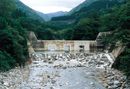
In the upper area of the Tedori River, many check dams are built to collect excess sediment, and to slow the flow of water. Many of these dams contain large holes (culverts) which allow sediment to naturally pass through during normal flow, but prevent large amounts of sediment from spilling out during flooding.
Gabions
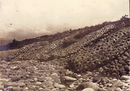
Made mostly from woven bamboo or bundles of sticks, these gabions were stuffed with large rocks and placed upon embankments to weaken the strength of the current, and prevent embankment collapse.
Flood-Control Forests
These forests, of which a few still remain today, were grown throughout the city. During times of flooding the trees would be cut down in order to make quick damming material.