
 サイトマップ
 各課のご案内
 施設のご案内
 お問い合わせ
Animals of the River Mouth
Along the Tedori River Alluvial Fan, the river's speed gradually slows, until it gently flows into the Sea of Japan.
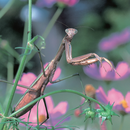
Japanese Giant Mantis
Tenodera aridifolia
One of the biggest species of praying mantis in Japan, females can reach nearly 10cm (3.9 in) in length. They can be often seen in grassy fields from summer to autumn, catching small bugs with their front legs. They've even been known to eat small frogs and birds!
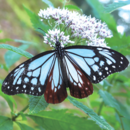
Chestnut Tiger Butterfly
Parantica sita
Often called the travelling butterfly, they’ve been known to fly as far as 2,000 km. They can often be seen feeding from sunabikiso flowers that grow along the coastline in spring, and flying high in the mountains in late summer.
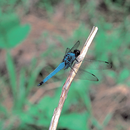
White-Tailed Skimmer Dragonfly
Orthetrum albistylum
This dragonfly is the most commonly seen variety within Japan. It can reach a maximum length of 5.5cm (2.2 in), and can be found at the edge of wetlands, grasslands, and forests. Both the adults and nymphs are carnivores, and eat small insects. Nymphs can live for over ten years before transforming into adults.
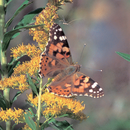
Painted Lady Butterfly
Vanessa cardui
This butterfly, which migrates throughout the year and can be found across almost all continents, can be seen in Japan from summer to autumn. It can often be found in sunny grasslands and fields, drinking from species of daisy. Unlike many other species of butterfly, the painted lady drinks only from flowers.
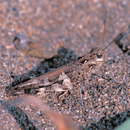
Yamato Grasshopper
Epacromius japonicas
Found along sandy riverbanks and beaches, this grasshopper can grow over 3.5cm (1.4 in) long. Its brown, spotted shell blends perfectly with its sandy home, and its movements are known to be fast, making it not only difficult to spot, but difficult to catch as well!
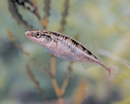
Amur Stickleback (Prefectural-Designated Natural Monument)
Pungitius sinensis
Preferring clean, cold water, this stickleback is an endangered species. It grows roughly 5 to 6.5cm (2 to 2.6 in) long and local species live specifically in small rivers sourced from cold spring water. Males make small round nests, and after the female lays eggs, the male will protect and care for the eggs, refusing even to eat during this period.
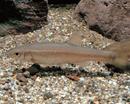
Amur Minnow
Rhynchocypris lagowskii steindachneri
Growing to a size of up to 15cm (5.9 in), these fresh-water fish prefer the cold still waters of mountain rivers. In Japanese they are called the “abura haya” – oil minnow – because of their silky smooth skin.
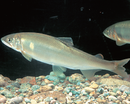
Sweetfish
Plecoglossus altivelis
Named after its sweet taste, this fish is endemic to East Asia, inhabiting the oceans and rivers around Japan, Korea, China, and Vietnam. During spring the sweetfish moves into rivers to eat moss from submerged rocks. During this season you can see many fishers standing in the river, trying to catch sweetfish.
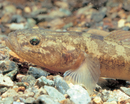
Common Freshwater Goby
Gymnogobius urotaenia
An Asian species of goby, this fish can often be found hiding in the shadows of willow trees and water reeds. It is a carnivorous fish, and eats small fish, insects and crustaceans. Females lay their eggs suspended like grapes beneath sub-merged rocks.
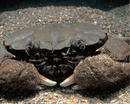
Japanese Mitten Crab
Eriocheir japonica
These crabs are named after their fuzzy, hair-covered pincers which resemble mittens. They typically live upstream, but move into estuaries to spawn. Growing to roughly 7 to 8cm (2.7 to 3.1 in) wide, they are also popular for eating.
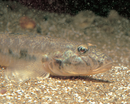
Yellowfin Goby
Acanthogobius flavimanus
This species of goby typically lives upstream, but travels to the river mouth during autumn in order to breed. It can be found throughout East Asia and Russia, and has been introduced to other areas as well. They can grow up to 25 to 30cm (9.8 to 11.8 in) in length, making them popular among fishers during autumn.
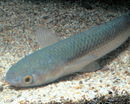
Redlip Mullet
Planiliza haematocheilus
Native to the Sea of Japan, this fish can often be seen swimming near the surface of the water, occasionally jumping out. It can grow up to 100cm (3.3 ft) in length. Although not well known, it is apparently a delicious fish.
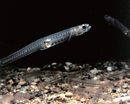
Ice Goby
Leucopsarion petersii
This species of goby, growing up to 13cm (5.1 in) in length, has a trans-lucent body when alive. You can even see the eggs inside of females. They typically live in the ocean, but move into rivers to spawn, where they soon die.
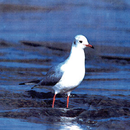
Black-Headed Gull
Chroicocephalus ridibundus
Roughly 40cm in length, this gull can be frequently spotted near the river mouth. During the rice-planting season, the birds receive their summer plume, and the top of their head turns black. During this time you can often see them feeding in rice paddies.
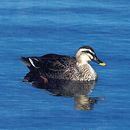
Eastern Spot-Billed Duck
Anas zonorhyncha
With a length of 60cm, these ducks are commonly seen year-round throughout Ishikawa Prefecture and the Tedori River basin. They're named after the bright yellow spot found on the end of their bill.
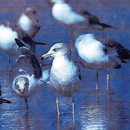
Black-Tailed Gull
Larus crassirostris
One of the most well-known gulls in Japan, this bird reaches approximately 45cm in length. It can be seen near the river mouth almost year-round. It has a unique red and black spot at the end of its bill. In Japanese it is called the sea cat ‘umi neko’ as its call sounds similar to a cat.
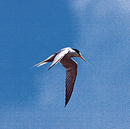
Little Tern
Sternula albifrons
This small seabird, with a length of 28cm, can be found in the area during summer. They can often be seen diving into the water to catch small fish. They congregate on wide riverbanks and sand dunes to breed. During winter they travel south.
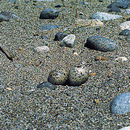
Little Tern Eggs
The little tern breeds in colonies, and lays its camouflaged eggs directly into the sand. It defends its nest aggressively, attacking anything that comes too close. The mouth of the Tedori River is the only breeding ground of the little tern within Ishikawa Prefecture.